
Source Identified Before Treatment Is Applied
Odor removal in Kilgore for vehicle interiors with pet, smoke, mold, or trapped moisture smells
Treating a vehicle odor without first identifying where it originates produces temporary results. Masking agents fade, and the underlying source continues to off-gas until the contaminated material is extracted or treated directly. The Detail Proz addresses vehicle odor removal in Kilgore by starting with an owner inspection of the interior to locate the source—whether that's pet damage worked into upholstery fibers, mold growth in carpet padding, smoke saturation embedded in headliner fabric, or trapped moisture beneath floor mats—before any treatment method is selected.
The treatment approach is determined by what the inspection identifies. Pet odors tied to biological contamination in upholstery require enzyme-based extraction rather than a surface deodorizer. Mold growth in carpet padding requires removal of the contaminated material or targeted antimicrobial treatment reaching the pad layer, not just the carpet face. Smoke saturation that has penetrated the headliner and hard plastic surfaces throughout the cabin requires a different remediation sequence than localized moisture odor from a single spill. Matching the method to the source is not optional—it is the step that determines whether the odor is gone or merely delayed.
Arrange an odor source inspection with The Detail Proz so the appropriate treatment method can be confirmed before work begins on your vehicle.
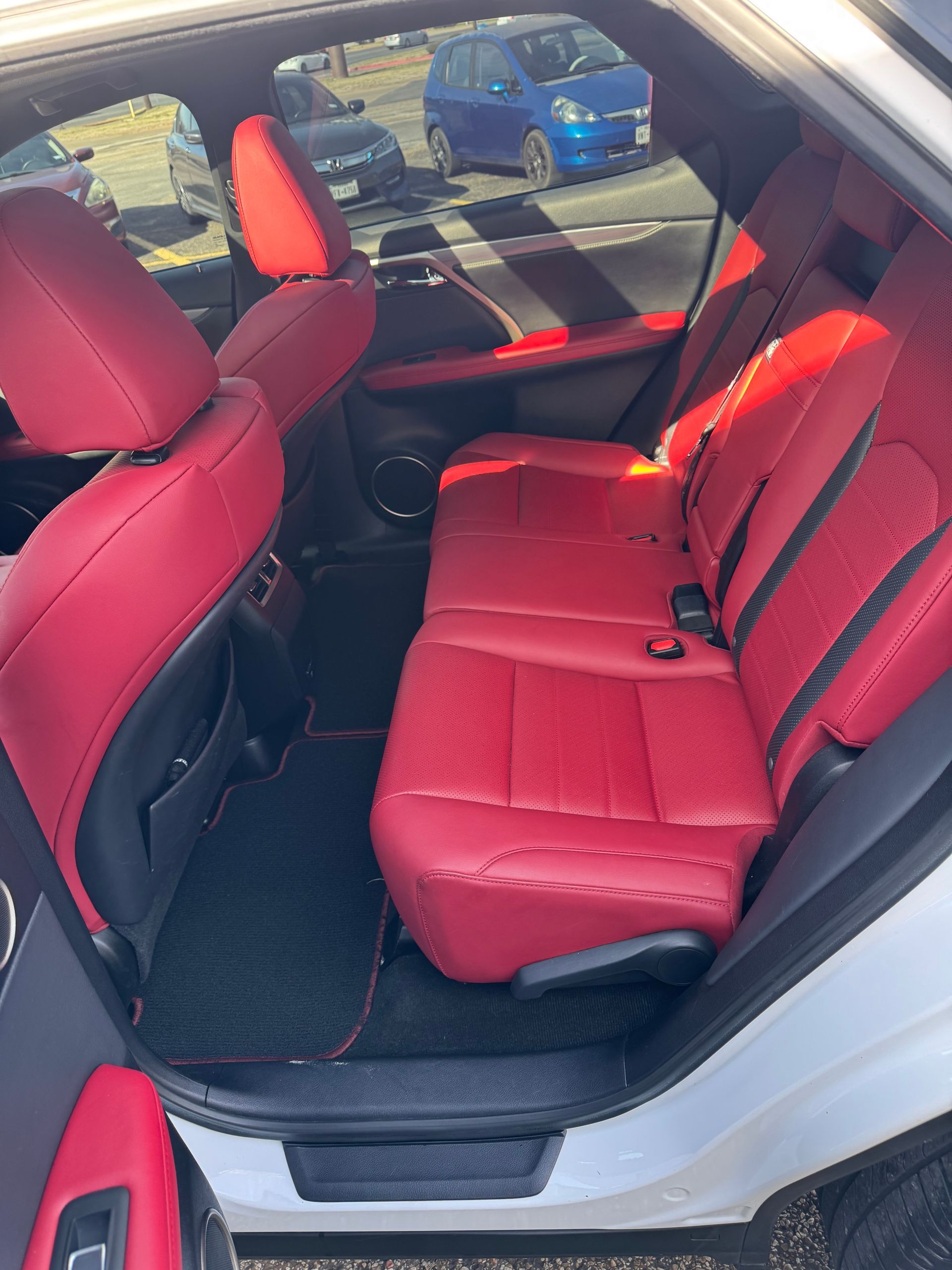
What Changes After Odor Removal Is Complete
Odor removal at the source level involves extraction of contaminated material combined with treatment products matched to the specific odor type. For biological sources—pet waste, mold, food decomposition—enzyme-based treatments break down the organic compounds that produce the smell rather than coating over them. For smoke, which bonds to porous surfaces throughout the cabin, the process involves treating every absorbent surface the smoke contacted, including headliner fabric, carpet, seat material, and the foam layers beneath. Extraction equipment removes loosened contamination and moisture introduced by wet treatments.
When the source material has been addressed, the odor does not return when the cabin heats up—which is the test that distinguishes source removal from masking. A vehicle interior that has been properly treated should not produce a noticeable smell after sitting in direct sun with the windows closed, a condition that causes any remaining contamination to off-gas quickly. The Detail Proz checks the result against this standard rather than evaluating only in a cooled or ventilated state.
Some odor situations involve contamination that has reached layers below the primary upholstery or carpet surface—foam padding, subfloor areas, or HVAC ducting in the case of mold. These deeper sources require accessing and treating those layers directly, which is a longer process than surface-level odor treatment. The initial inspection identifies whether those layers are involved so the scope of work is clear before the job begins.
Questions About How Vehicle Odor Removal Works
The questions below address how odor removal is performed, what conditions affect which treatment is used, and what vehicle owners should check after the service is complete.
Why does the inspection happen before any odor treatment is applied?
Different odor sources require chemically different treatments. Applying a general deodorizer to a mold-sourced odor doesn't address the biological growth producing it. Applying enzyme treatment to a smoke-saturated headliner misses the non-organic compounds bonded to the surface. The inspection identifies the source so the treatment method is specific rather than general.
How is pet odor different from other interior odors to treat?
Pet odors involve biological compounds—urine proteins, dander, and saliva residue—that have typically been worked into upholstery fiber, foam, and carpet pile over repeated exposure. In Kilgore vehicles used regularly for pet transport, these compounds are often present at multiple layers. Enzyme-based treatment specifically breaks down those proteins at the fiber level, which is why it is used rather than standard cleaning solution.
What surfaces does smoke odor affect inside a vehicle?
Smoke particles are small enough to penetrate every porous surface in the cabin: headliner fabric, seat material, carpet pile, the foam under seat upholstery, and even the dust trapped in HVAC vents. Treating only visible surfaces—seats and carpet—while leaving the headliner and vent system untreated produces partial results. Effective smoke odor removal requires working through all the absorbent surfaces smoke contacted.
How do you confirm the odor is gone after treatment?
The practical check is whether the odor returns when the cabin reaches high interior temperature—parked in direct sun with windows up. That condition accelerates off-gassing from any remaining source material. If the vehicle passes that test without producing detectable odor, the source has been addressed. A vehicle that smells neutral in cool, ventilated conditions but odorous when hot still has contamination present.
When is mold odor more complex to treat than other interior smells?
Mold odor becomes more involved when growth has reached the carpet padding beneath the surface layer—a condition common in vehicles that have experienced a slow leak or standing water event. The carpet face may appear dry and clean while the pad underneath remains contaminated. Addressing that requires either removing and replacing the padding or applying antimicrobial treatment that penetrates to that depth, not surface-level cleaning.
The Detail Proz also performs odor removal services in Longview, Gladewater, White Oak, Tyler, and Hallsville. To schedule an odor inspection for your vehicle, call The Detail Proz at (903) 399-6021 and describe the odor type and which areas of the interior are most affected.