
Interiors That Show What a Car Actually Carries
Interior detailing in Kilgore for high-use family vehicles with built-up dust, staining, and odor
High-mileage commuter vehicles and family cars in Kilgore accumulate interior contamination at a rate most owners don't register until they stop and look closely—ground-in debris in carpet fibers, staining worked into seat fabric, and odors that standard air fresheners can't address. The Detail Proz provides interior detailing in Kilgore for vehicle owners dealing with exactly these conditions. The work is structured around what each vehicle actually requires rather than a fixed package applied regardless of soiling level.
The process begins with a direct assessment of the interior's condition—what's present, where it's concentrated, and what treatment method matches the soiling. Extraction equipment pulls embedded debris and liquid contamination from carpet and upholstery fibers. Treatment products are matched to the material type and the specific problem found, whether that's surface dust, staining, or odor saturation. The sequence runs from assessment through extraction to targeted treatment, so no step is skipped because the condition didn't fit a preset service level.
Arrange an interior assessment with The Detail Proz to identify what your vehicle's cabin actually needs before any work begins.
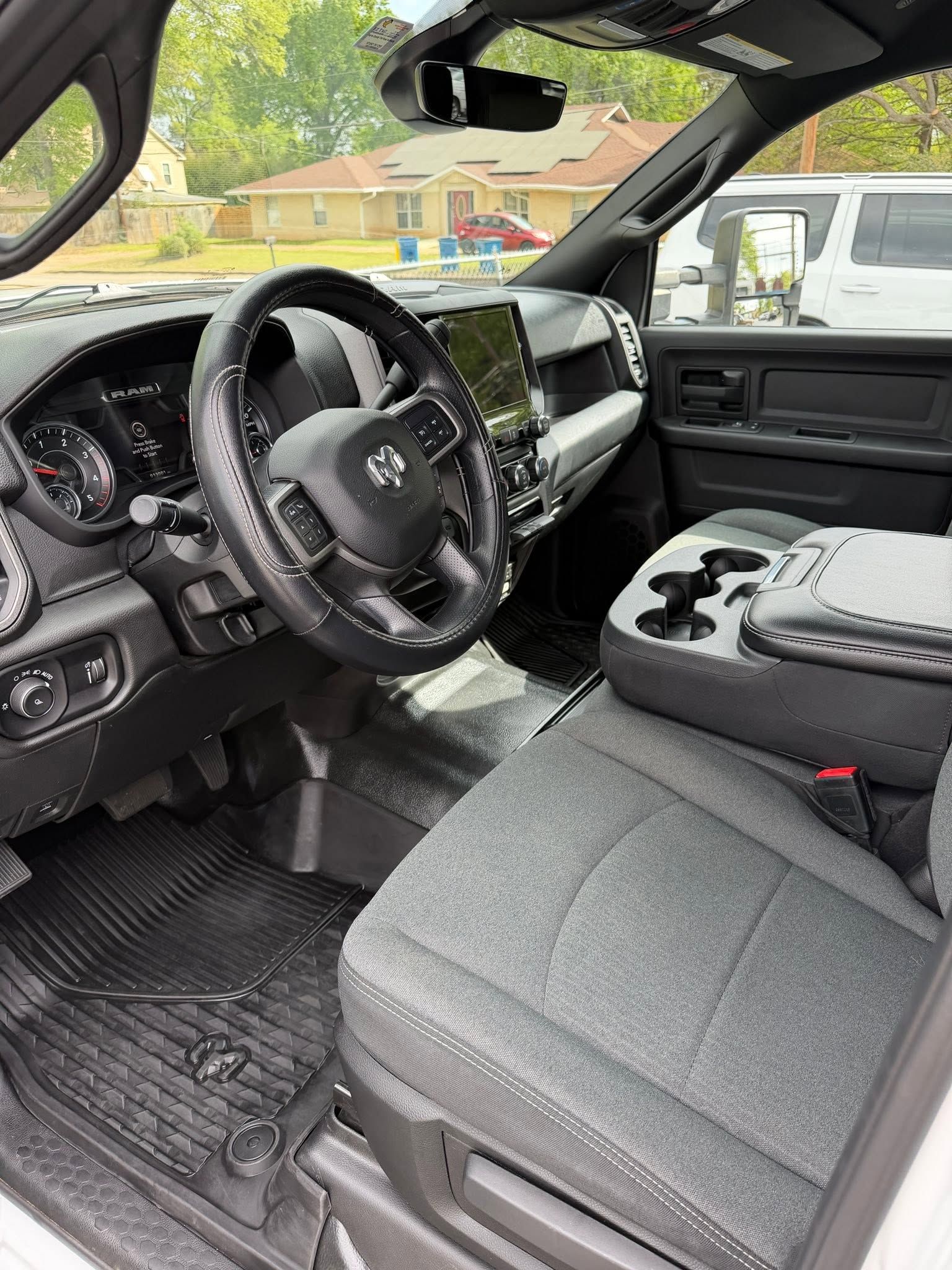
What Interior Detailing Actually Addresses
Interior detailing is not an extension of a car wash. Where a wash handles surface-level exterior contamination, interior detailing works at the fiber level—pulling material out of upholstery weave, carpet pile, and the seams between seat cushions where vacuuming stops. The Detail Proz uses extraction methods calibrated to the soiling level found during the initial walkthrough, which means a lightly soiled vehicle is not treated the same way as one with years of accumulated use.
After the work is completed, the difference shows up in specific, checkable ways: fabric surfaces that no longer hold odor when you enter the vehicle, carpets where the original color is visible again, and seating surfaces where staining is no longer the first thing a passenger notices. These are not cosmetic adjustments—they reflect the removal of material that had become embedded in the fibers themselves.
The scope of an interior detail includes surfaces that owners often overlook: door panel inserts, dashboard crevices, center console compartments, and headliner contact points near grab handles. These areas accumulate the same contamination as seats and carpet but are frequently skipped in lighter cleaning approaches. Matching the treatment method to what's actually present—rather than defaulting to the same process on every vehicle—is what separates thorough detailing from a surface clean.
Common Questions About Interior Detailing
The following questions address how interior detailing work is performed, what conditions affect the approach, and what vehicle owners typically notice once the service is complete.
What does an interior detail actually include beyond vacuuming?
Interior detailing goes several steps past vacuuming: extraction equipment pulls embedded material from carpet and upholstery fibers, surface treatments address staining and odor at the source, and detail work reaches seams, vents, and panel gaps that a vacuum nozzle cannot access. The result is a clean that goes to the material level rather than the surface.
How does the soiling level in the vehicle change the process?
Lightly soiled interiors require different extraction pressure and solution concentration than heavily contaminated ones. The Detail Proz assesses soiling during the initial walkthrough so treatment is matched to what the vehicle's interior actually holds—a step that prevents under-treating a heavily used cabin or over-treating one that needs only moderate work.
What fiber types affect how upholstery is cleaned?
Cloth upholstery, leather, and vinyl each respond differently to extraction and treatment solutions. Using the wrong product on a leather seat can strip conditioning; using too aggressive an extraction on loose-weave cloth can distort the fiber. Matching the cleaning method to the material type is a standard decision point made during the initial vehicle inspection.
When is interior detailing more involved than a standard clean?
Vehicles with heavy pet use, smoke saturation, or moisture events—spills that were not dried promptly—require odor treatment and deeper extraction beyond what a standard interior clean addresses. In Kilgore, high-mileage family vehicles and work trucks often fall into this category because daily use compounds over months between cleanings.
What should you check after an interior detail is finished?
Run your hand across carpet pile near the rear footwells and check seat fabric in the highest-use areas. These are the zones where extraction results are most visible. Odor should not return when the cabin warms up, which is a reliable indicator that the source material was removed rather than masked.
The Detail Proz also performs interior detailing in Longview, Gladewater, White Oak, Tyler, and Hallsville. To schedule an interior detail for your vehicle, contact The Detail Proz directly at (903) 399-6021 and describe the current condition of the cabin so the right service level is confirmed before your appointment.